THE RIGHT FIT. MORE CONFIDENCE ON THE WATER.
From their first boat ride to learning to waterski or wakeboard, having the right life jacket is essential for keeping kids safe and comfortable on the water.
But with different sizes, styles and buoyancy levels available, how do you know which one to choose?
Here's what to look for.
A life jacket should fit snugly without restricting movement. Too loose and it could ride up in the water. Too tight and it may be uncomfortable or difficult to wear correctly.
What to check:
Choose a jacket suited to your child's current weight and measurements.
Make sure it fits securely around the chest and torso.
Check that it doesn't ride up excessively when gently lifted at the shoulders.
Ensure all zips, buckles and straps fasten securely.
Wing Tip: Don't buy a life jacket for your child to grow into. The right fit today is what matters.
Not sure which size to choose? Check our Wing Size Guide for sizing information, and always follow the specific size and weight requirements on the life jacket's label.
Not all life jackets offer the same level of protection.
LEVEL 50S — SPECIAL PURPOSE
Designed for specific activities, Level 50S buoyancy aids are commonly used for active watersports where permitted. They are not designed to turn an unconscious wearer face-up.
LEVEL 50 — HIGH VISIBILITY
Provides buoyancy with high-visibility colouring, making the wearer easier to spot in the water. Not designed to turn an unconscious wearer face-up.
LEVEL 100 — GREATER FLOTATION SUPPORT
Designed to provide additional flotation and help turn most wearers into a face-up position.
The appropriate level depends on your child's age, activity, location and applicable state or territory regulations.
Want to know more? Read our Life Jacket Levels Explained: L50 vs L50S vs L100 guide for a breakdown of the differences.
A life jacket that fits well and feels comfortable is one kids are more likely to wear correctly.
Look for:
Freedom of movement: Allows kids to move their arms comfortably when swimming or participating in watersports.
Secure fit: Adjustable straps and reliable closures help keep the jacket in position.
Comfortable construction: Materials and design that minimise rubbing and discomfort.
Whether they're learning something new or spending the afternoon on the boat, comfort and a secure fit go hand in hand.
The right jacket for a day on the boat may not be the same as one used for wakeboarding or waterskiing.
Consider where your child will be using it, the conditions and the level of buoyancy required.
Always check the jacket's approval label and local regulations. Some activities and age groups require specific life jacket levels, regardless of personal preference.
Before heading out, take a moment to check your child's life jacket.
Inspect zips, buckles, straps and stitching.
Look for damage or deterioration to the material and flotation.
Make sure the jacket still fits correctly.
Check that all fastenings are secure.
As kids grow, regularly reassess their fit and sizing.
From first-time riders to the next generation of watersports enthusiasts, Wing understands the importance of quality, comfort and performance on the water.
With over 40 years of Australian watersports experience, our junior life jackets are designed for young riders ready to make the most of their time on the water.
Important: Australian life jacket requirements vary by state and territory, age, vessel, activity and waterway. Always check current local regulations and choose an appropriately approved life jacket. Children should be actively supervised around water, even when wearing a life jacket.

Simple instalment plans available instantly at checkout
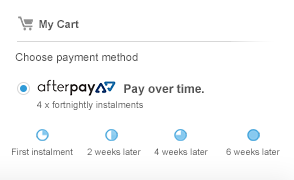

Use your existing debit or credit card

No long forms, instant approval online

Pay fortnightly, enjoy your purchase straight away!
All your need is:
1) An Australian Visa or Mastercard debit/credit card; 2) To be over 18 years of age; 3) To live in Australia
To see Afterpay's complete terms, visit https://www.afterpay.com.au/terms
© 2026 Afterpay
